Huawei Awarded the Global First Carbon Footprint Verification for Inverters Issued by BSI
Comunicato Precedente

Comunicato Successivo


Driven by China's goals of achieving carbon peak by 2030 and carbon neutrality by 2060, the PV industry, as a major contributor to renewable energy, is experiencing explosive growth. Although PV power generation is widely recognized as an important way to reduce carbon emissions, not all PV products themselves are low-carbon. According to the Clean Production of Solar PV in China report, PV plants cannot achieve zero carbon emissions for 1.3 years of the 25-year lifecycle. As such, reducing the carbon footprint is critical to the decarbonization of energy systems. To this end, it is important to understand and manage the carbon footprint as well as carbon emissions impact during the manufacturing of PV system components. In Europe and other parts of the world, carbon footprint is a mandatory option for device bidding. Only advanced green manufacturing enterprises with low carbon footprints can help customers develop low-carbon and high-quality PV projects.
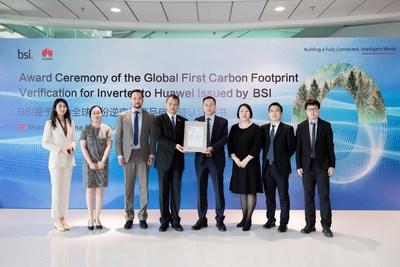
Looking ahead, Huawei will continue to strengthen its low-carbon capabilities, use innovative technologies to develop more products with low carbon footprints, and accelerate carbon emission reduction for itself and its customers, moving towards a sustainable, greener, and better future together.
Photo - https://mma.prnewswire.com/media/1849171/image.jpg

Ufficio Stampa
PR Newswire (Leggi tutti i comunicati)
209 - 215 Blackfriars Road
LONDON United Kingdom